Living Room
12 Cozy Living Room Ideas for a Comfortable, Lived-In Home
Twelve practical cozy living room ideas for softer layered lighting, comfortable seating, textured layers, better rug placement and an inviting lived-in space.
- Published
- November 12, 2026
- Reading time
- 14 minutes
- By
- NorahDecor Editorial
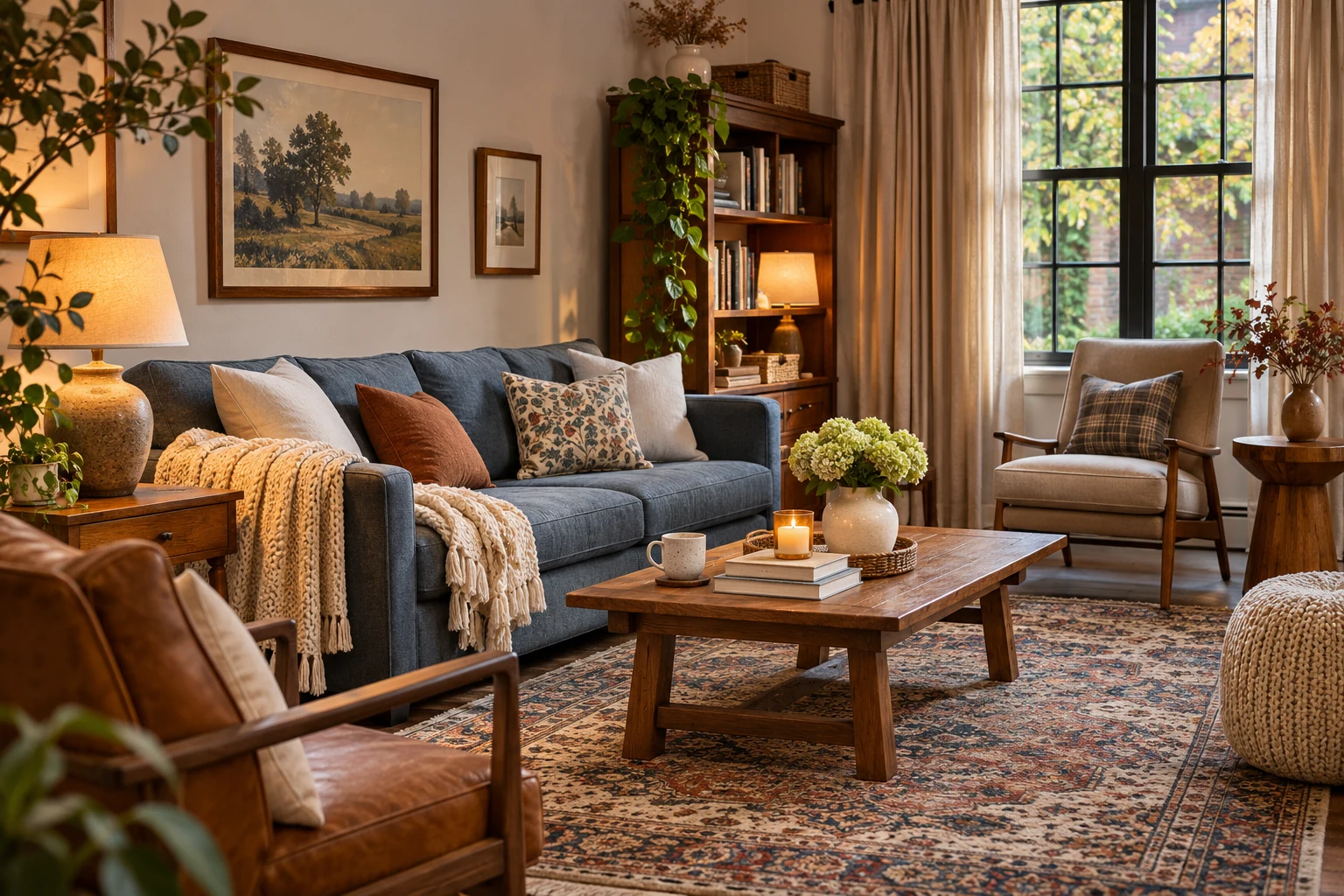
A cozy living room isn't necessarily the one with the most cushions, the softest-looking sofa, or the warmest paint color. It's the room where you can settle in without shifting a stack of decorative books, where the reading light reaches your chair, and where guests can put down a drink without balancing it on the floor.
The nicest cozy living room ideas tend to work on two levels. They make the space feel inviting at first glance, and they make it easier to enjoy once you're in it. That can mean a larger rug that connects the seating, curtains that soften a bare window, or a small lamp in the corner that always feels gloomy after sunset.
You don't have to buy everything new. Start with the room you have, keep what feels comfortable, and use these twelve ideas to make it warmer, more personal, and easier to live in.
Start by noticing what doesn't feel comfortable
Before shopping for decor, spend an evening in the room as you normally use it. Sit in each seat. Is one chair isolated from the conversation? Does the ceiling light feel harsh? Are blankets always piled on the sofa because there's nowhere else to keep them?
Make a short list of three irritations. For example:
- The room feels cold or unfinished: Look first at the rug, window treatments, and mix of textures.
- It's pleasant during the day but flat at night: Reconsider where the lamps are, not just how bright the ceiling fixture is.
- It looks beautiful but isn't relaxing: Check whether seats, side tables, and everyday storage are actually usable.
Fix the most noticeable problem first. One good change can do more than a dozen unrelated accessories.
1. Arrange the seating so people can actually settle in
A sofa facing the television may be necessary, but it doesn't have to be the only idea guiding the room. If chairs are pushed into distant corners, the seating area can feel scattered even when the room is nicely decorated.
Try bringing an accent chair a little closer to the sofa or turning it inward toward the coffee table. You want people to be able to talk without shouting across the room. A small side table beside the chair makes it useful rather than merely decorative.
In a narrow room, don't force a symmetrical layout. A sofa and one comfortable chair may work better than squeezing in a second sofa. Keep the route through the room clear so guests don't have to step around table corners or ottomans.
Best for: Living rooms with a lonely corner chair, awkward traffic flow, or furniture arranged only around the TV.
Try this tonight: Move one chair before buying another piece. Sit in it and see whether the new position feels more natural.
2. Use several small lights instead of one bright ceiling light
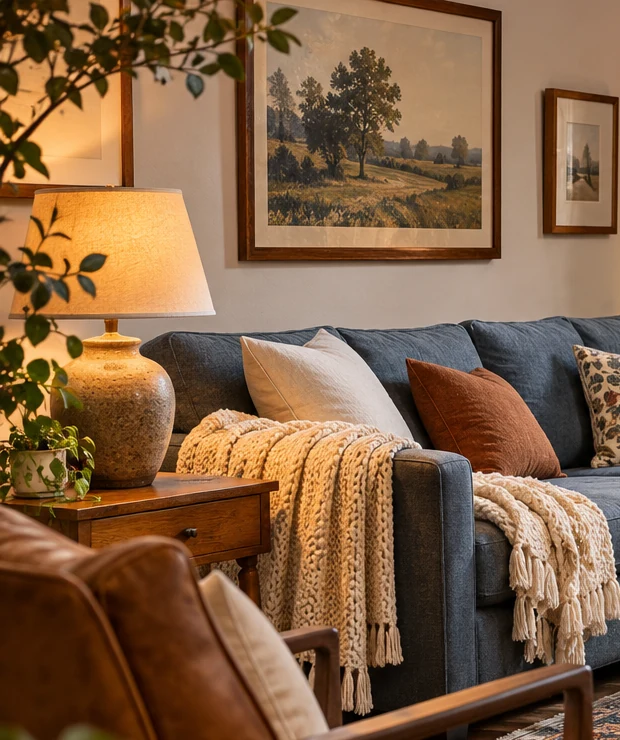
Lighting changes how a living room feels after dark. A single bright fixture can make a room technically well-lit but still leave the sofa and corners feeling stark. Small, purposefully placed lights create softer transitions.
Aim for three jobs: general light that lets you move around safely, a focused lamp where someone reads or works, and a gentle glow near a shelf, wall, or seating corner. You may already have suitable lamps elsewhere in your home.
A table lamp near the sofa, a floor lamp beside an armchair, and a dimmable overhead light can be enough. Choose bulbs with comfortable, compatible light colors so one corner doesn't look icy blue while another looks amber. Keep cords away from walkways and don't cover lamps with fabrics.
Best for: Rooms that feel inviting in daylight but harsh or shadowy at night.
Worth checking: Turn off the ceiling light and switch on the other lamps. Can you still read comfortably and cross the room safely? If not, improve task or general lighting instead of relying only on mood light.
3. Let a properly sized rug connect the furniture
A rug can make a seating area feel like one welcoming place rather than a sofa, chair, and coffee table that happen to share a room. The tricky part is size.
A small rug floating only under the coffee table may make the furniture feel disconnected. A useful starting point is to choose one large enough for at least the front legs of the main sofa and chairs to sit on it. In some rooms, putting all the furniture legs on a larger rug works better. Neither arrangement is a universal rule; the aim is to give the seating a clear visual foundation.
Try marking the rug dimensions on the floor with painter's tape before buying. Check that doors still open, that the rug doesn't bunch, and that a suitable nonslip pad can keep it steady. If the room gets heavy everyday traffic, a lower-pile rug may be easier to maintain than a thick shag.
Best for: Living rooms that feel unfinished despite having plenty of furniture.
Avoid: Purchasing a small rug simply because it's cheaper if it leaves the entire seating group disconnected. It may be better to wait for the right size.
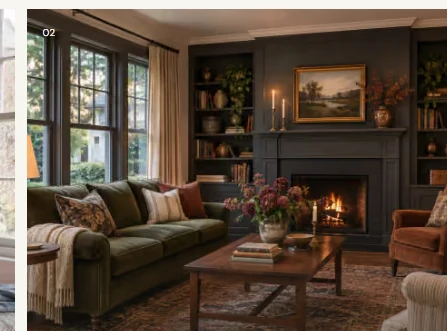
4. Mix textures rather than adding more pillows
Softness is part of comfort, but a sofa buried beneath nine matching cushions isn't necessarily inviting. The trick is contrast: smooth upholstery beside a woven throw, a slightly nubby cushion next to linen, or a wooden side table next to a soft chair.
Start with two or three materials that feel good to touch and are realistic for the way you live. If you have pets or children, consider washable covers and fabrics that won't demand constant care. A blanket in a basket can be as useful as one draped artfully over the back of the sofa.
Try mixing one solid cushion with one subtle pattern, then letting a different texture provide the third note. You don't need to follow a precise pillow formula. Leave enough space for people to sit comfortably without removing half the styling first.
Best for: Neutral rooms that look flat, or sofas that already have plenty of decorative accessories.
Low-cost change: Move a throw or cushion from another room and see whether the contrast makes the sofa look more inviting.
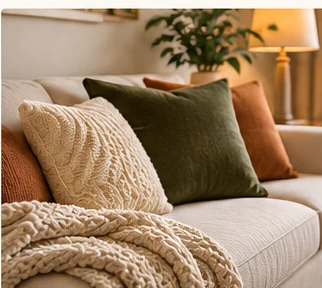
5. Soften bare windows without losing the daylight
Large, uncovered windows can make a room feel bright during the day yet a little exposed at night. Curtains bring softness to the architecture while giving you more control over privacy and glare.
You might use light-filtering curtains for daytime softness, lined curtains where you need more privacy, or a shade combined with decorative side panels. The right solution depends on the window, the amount of light the room receives, and how much privacy you need.
Before buying, measure the window and the space around it. Check whether the curtain will clear a radiator, baseboard heater, or furniture. Long panels can be beautiful, but fabric must be kept away from heat sources. A simple, well-fitting curtain usually looks better than a more elaborate one that bunches awkwardly.
Best for: Rooms with hard-looking windows, strong glare, or a feeling of exposure after sunset.
6. Warm up the colors you already have
Cozy doesn't have to mean beige. A blue sofa can look wonderfully inviting with rust, caramel, and aged wood. Gray upholstery can feel warmer alongside cream textiles, olive green, or a richly colored rug. Deep green and navy can make a room feel snug when there is enough balanced lighting.
Instead of repainting everything, look for a color that already appears in the room. It could be in a patterned rug, a favorite painting, or the wood tone of a sideboard. Repeat it once or twice in smaller details so the space feels connected rather than overly matched.
If you want to paint, test swatches at several times of day. A color that feels warm in afternoon sun can read very differently under evening lamps. Changing bulbs or lampshades may be a better first step than choosing new wall paint.
Best for: Rooms with cool-colored furniture that feel less welcoming than expected.
7. Give every favorite seat a useful surface
One detail often separates a lovely-looking room from one you actually enjoy: somewhere to put the things you reach for. A reading chair needs a place for a book or cup. A sofa benefits from a table within comfortable reach. A remote control needs a home that isn't always disappearing into cushions.
You don't need an oversized coffee table. A narrow side table, small stool, nesting table, or a sturdy tray on an ottoman may work better depending on the space. Choose stable pieces that won't tip easily, especially in homes with children or pets.
On a coffee table, allow room for everyday life. A low vase, a stack of books, and a small tray can look considered while leaving space for drinks, board games, or a laptop. Styling should make the room nicer to use, not make the table unusable.
Best for: Living rooms where the coffee table is crowded but people still have nowhere convenient to set things down.
8. Create one reading corner, even if it's tiny
A reading corner doesn't require a home library. It needs a seat you enjoy, enough light to read, and a surface nearby. If you already have an armchair, you might only need to turn it toward a window and move a floor lamp beside it.
Look for a spot slightly apart from the main TV sightline, but not so remote that it becomes forgotten space. A small footstool makes the chair more comfortable if there is room. Keep books within reach on a low shelf or basket, and avoid piling items on the floor around the chair.
During the day, natural light can make the corner especially pleasant. At night, the lamp should illuminate the page without shining directly into your eyes. If the chair is next to a window, keep fabric and furniture positioned safely around any heaters.
Best for: An unused corner near a window or bookcase.
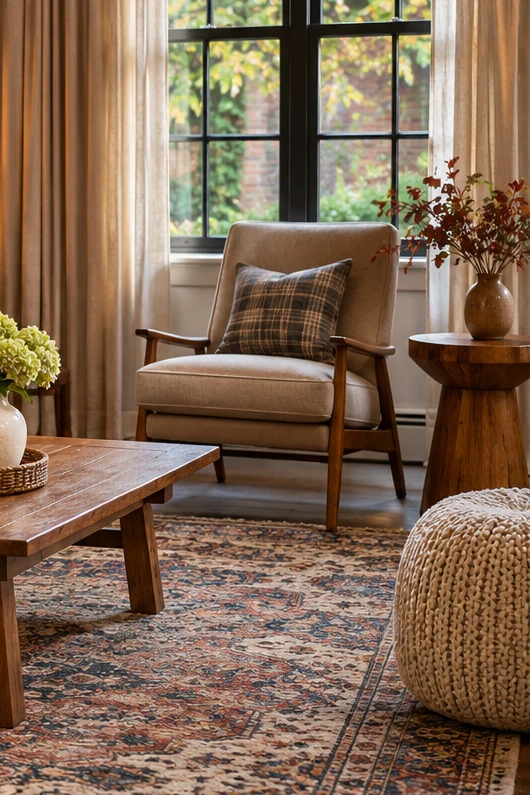
9. Let books, art, and meaningful objects give the room character
An inviting living room should look like it belongs to the people who use it. That might mean framed family photographs, an old landscape print, books with worn spines, pottery brought home from a trip, or a piece of art you love even if it doesn't match the sofa.
Choose a few pieces worth noticing rather than spreading tiny objects across every surface. A gallery wall can work beautifully, but it helps to choose a common thread: similar frame finishes, a repeating color, or an arrangement that follows a consistent spacing. You can lay frames on the floor to test the composition before putting holes in the wall.
Open shelves benefit from breathing room. Mix upright books, a stack of larger books, and one or two objects with some empty space around them. Display doesn't need to be perfectly symmetrical to feel intentional.
Best for: Beautifully furnished rooms that still feel anonymous.
10. Hide the everyday clutter without hiding the things you love
Cozy and cluttered are not the same thing. A room can feel layered and lived-in while still having clear places for remotes, toys, charging cables, and spare blankets.
Start by identifying what routinely collects in the living room. Then find storage that belongs near the activity: a basket beside the sofa for throws, drawers in a side table for small electronics, or closed cabinets for games and supplies. Open baskets suit larger items, while enclosed storage is often better for visually busy collections.
Avoid adding a new storage unit before deciding what should go inside it. If the problem is a dozen small objects on the coffee table, a tray and one drawer might solve it. Tall shelving and heavy furniture should be secured according to the manufacturer's instructions.
Best for: Family rooms, multipurpose spaces, and living rooms where everyday objects keep taking over the surfaces.
11. Add natural materials and something living
A little wood grain, a woven basket, a ceramic vase, or a plant can balance smooth walls and upholstered furniture. These details are especially helpful when a living room has many hard surfaces or a very uniform color scheme.
Choose a plant that suits the available light and your household, including whether pets or young children might reach it. If live plants aren't practical, natural branches, dried stems, or a favorite ceramic vessel can still bring an organic shape into the room. Keep plants away from heat sources and protect wood surfaces from watering spills.
Don't feel obliged to fill every corner with greenery. One healthy plant in the right place often looks more convincing than several struggling plants crowded together.
Best for: Rooms that feel a little too polished or full of hard, straight lines.
12. Make small seasonal changes instead of redecorating everything
A cozy living room can change through the year without a complete refresh. In colder months, you might swap a lightweight throw for a warmer one, bring in a shaded lamp for darker evenings, or use richer cushion covers. In summer, lighter fabrics and less layering may feel more comfortable.
The permanent pieces can stay the same. Keep the sofa, rug, main lighting, and favorite artwork working throughout the year, then make smaller adjustments based on how the room is being used.
This is also a practical way to avoid storing boxes of seasonal decor. A couple of cushions, one throw, and an arrangement on the coffee table may be enough to make the space feel refreshed.
Best for: Anyone who wants variety without continually buying new furniture or accessories.
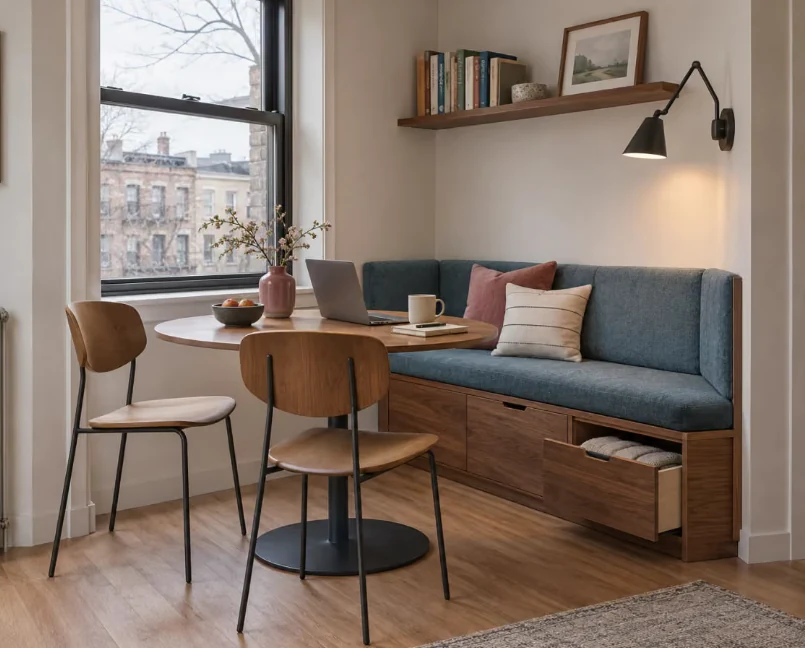
Three cozy living room mistakes worth avoiding
Relying on decorative lighting alone. A dim room isn't automatically cozy. Keep enough general and task lighting for people to move around and read comfortably.
Buying a rug or coffee table without measuring. Both can disrupt the way the furniture relates to the room. Mark dimensions on the floor and test the walking routes first.
Mistaking more decor for more comfort. Too many pillows, tiny ornaments, and baskets can make the room harder to use. Try removing one crowded arrangement before buying something new.
A simple weekend plan for a cozier room
If the twelve ideas feel like too much, focus on this sequence:
- Friday evening: Turn on the lamps, sit in every seat, and notice the darkest or least comfortable spot.
- Saturday morning: Move a chair, clear the coffee table, and make one useful surface available beside each regularly used seat.
- Saturday afternoon: Adjust your existing pillows, rug, and throws. Mark rug sizes with tape if you're thinking about replacing one.
- Sunday: Edit one shelf, hang a personal picture, or make a reading corner out of a chair you already own.
You may find the room feels noticeably better before you spend any money.
Frequently asked questions
How can I make my living room cozy without buying anything?
Start by repositioning your seats so they feel connected, bringing existing lamps closer to where you sit, clearing the coffee table, and moving throws or artwork from other rooms. Even changing which lights you use in the evening can improve the atmosphere.
What colors make a living room feel cozy?
Warm neutrals, muted greens, terracotta, caramel, burgundy, and deep blues can all create an inviting atmosphere. The more useful question is how the color works with your furniture and lighting. Even gray or white rooms can feel cozy with balanced light and texture.
How do I make a small living room cozy without cluttering it?
Use fewer pieces that do more: a comfortable sofa, a properly scaled rug, a reachable side table, and closed storage for small everyday items. Preserve clear routes through the room and avoid adding decoration to every empty surface.
Do I need a fireplace for a cozy living room?
Not at all. Soft textiles, layered lighting, comfortable seating, and personal details create warmth without a fireplace. If you want the look of candlelight, battery-powered LED candles can add a gentle glow without an open flame.
What is the easiest first change?
If the room feels cold at night, start with lighting. If it looks disconnected in daylight, look at rug size and furniture placement. If it is comfortable but constantly messy, give everyday belongings a specific place to live.